
The rapid growth of e-commerce across the world has pushed entrepreneurs and businesses to rethink which platform is best for launching an online store. Shopify has dominated the market for years, but it is no longer the only choice, and it isn’t always the best fit for every business.
You may be worried about rising subscription costs, want more freedom to customize, need better payment gateway options for India, or simply want a platform that suits your specific business model. This makes it the right time to explore Shopify alternatives. By 2026, the e-commerce landscape has become far more varied, offering strong open-source tools and beginner-friendly drag-and-drop builders at different price points.
What is Shopify & Why It is Popular
Shopify is a next-generation e-commerce system that runs on subscriptions and cloud-based technology, making it easy to create and manage an online store without deep technical skills. Launched in 2006, it has become one of the most recognizable names in online selling, powering more than 4 million stores worldwide and often serving as the benchmark when people look for Shopify alternatives.
Why it’s popular:
- Easy to use Interface- Intuitive dashboard, which requires little technical skills.
- All-In-One Solution– Hosting, security, payments, and inventory management are included.
- Large App Ecosystem –Thousands of integrations and plugins.
- Mobile Optimization-Theme that can be optimized to work with mobile devices.
- Trustworthy Infrastructure- 99.9 uptime and powerful security provisions.
- Scalability- Grows as you grow your business to an enterprise level.
What Makes a Good Shopify Alternative?
The following key factors should be considered when comparing Shopify competitors:
- Cost-effectiveness – Transparent pricing with no hidden transaction fees.
- Freedom of customization – Ability to tailor design and functionality to match your brand.
- Payment gateway options – Support for multiple processors, including popular choices in India like Razorpay, Paytm, and PhonePe.
- Scalability – A platform that grows with your business without requiring major upgrades.
- SEO tools –Built-in SEO features, plus additional open-source SEO tools
- Multi-channel selling – Integration with marketplaces, social media, and offline systems.
- Mobile responsiveness – A smooth and optimized shopping experience across devices.
- Inventory management – Strong tools for tracking stock, orders, and fulfillment.
- Onboarding quality – Helpful guides, documentation, and community support.
- Local market compatibility – Currency support, language options, and compliance with regional rules.
Top 10 Shopify Alternatives in 2026 (Global + India-friendly Picks)
Free & Open-Source / Budget-Friendly Platforms
1. WooCommerce
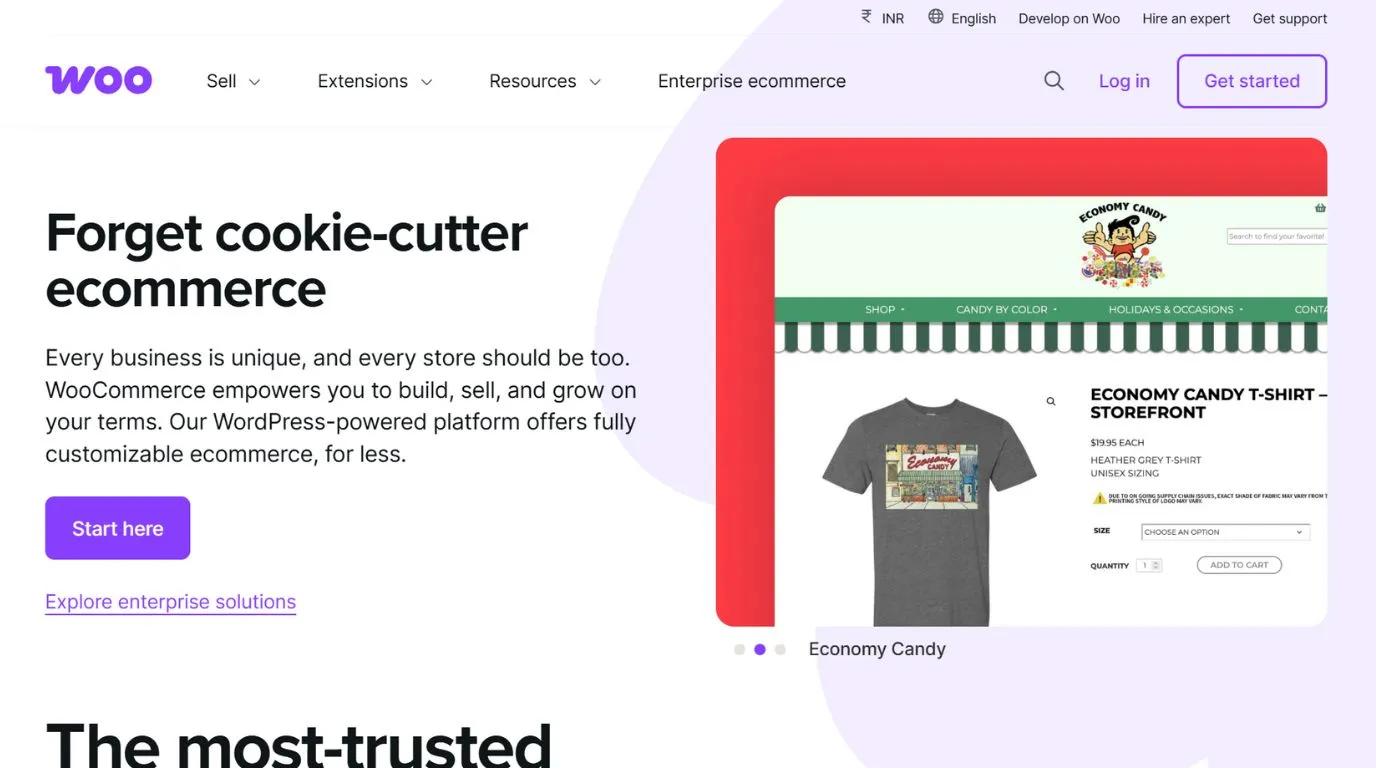
WooCommerce is one of the most widely used open-source e-commerce platforms, powering more than 6 million online stores worldwide. Because it runs on the WordPress ecosystem, it can transform any WordPress site into a fully functional online shop while giving you complete control over customization. For businesses already familiar with WordPress, WooCommerce offers flexibility, full data ownership, and no monthly platform fees, making it a strong pick for anyone exploring Shopify alternatives on a budget.
Key Features:
- Full WordPress integration
- Unlimited product listings
- Extensive plugin ecosystem
- Full design customization
- Multi-currency support
Pros:
- No monthly fees
- Complete data ownership
- Highly customizable
Cons:
- Requires some technical knowledge
- Self-managed hosting needed
- Plugin costs can increase over time
Website Link: https://woocommerce.com
Pricing:
- Core plugin: Free
- Recommended hosting: $3.95-$25/month (varies by provider)
- WooCommerce Payments: 2.9% + $0.30 per transaction (US)
- Premium extensions: $0-$299/year per extension
- Total estimated cost: $50-$500/year, depending on requirements
2. Magento Open Source / Adobe Commerce
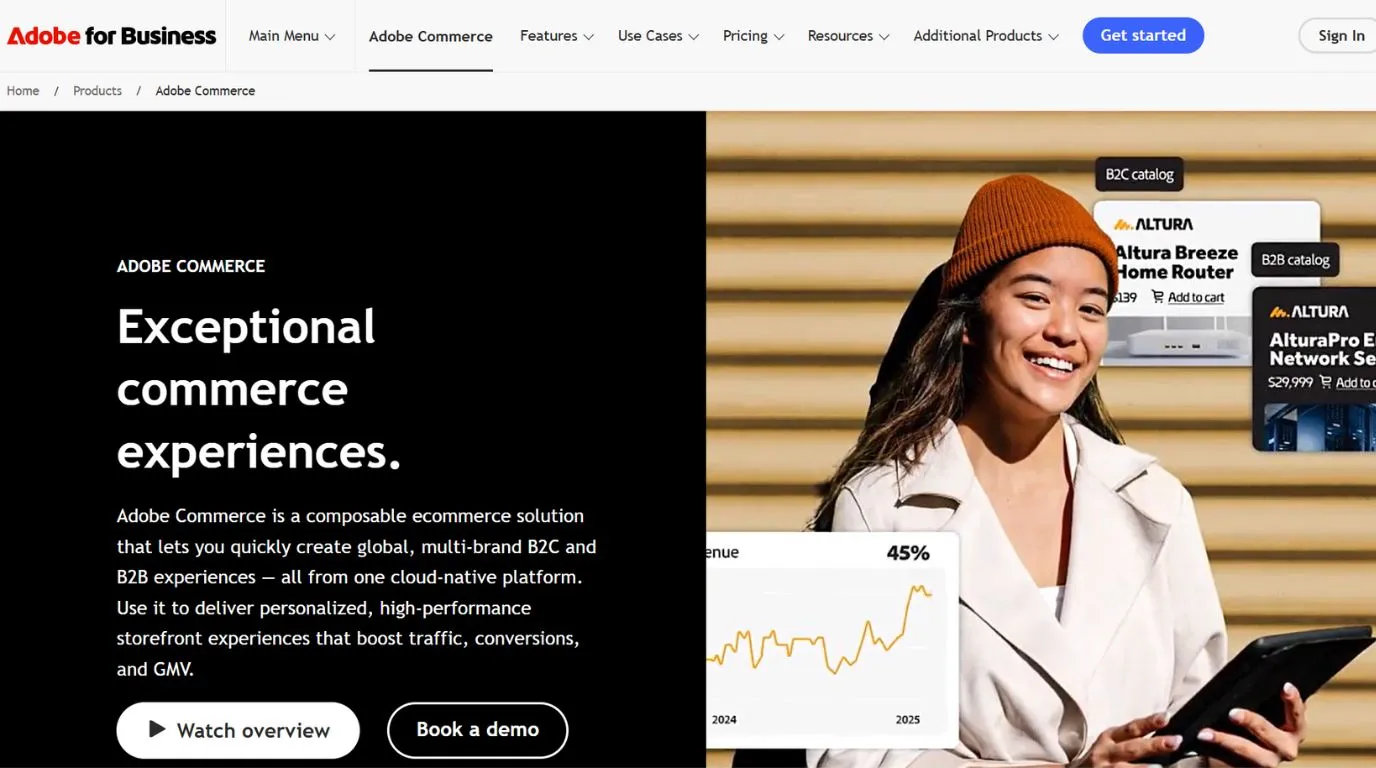
Magento Open Source (formerly Magento Community Edition) is a powerful, open-source, enterprise-level e-commerce platform built for medium and large businesses with strong technical capabilities. Now owned by Adobe, it offers exceptional scalability and flexibility for complex online stores. It can handle extensive product catalogs, multiple storefronts, and high transaction volumes, making it a strong choice for ambitious brands exploring Shopify alternatives that support long-term growth.
Key Features:
- Innovative catalog management
- Multi-store functionality
- Built-in SEO tools
- Extensive API capabilities
- B2B commerce features
Pros:
- Infinitely scalable
- Free enterprise-level features
- Strong global community
Cons:
- Steep learning curve
- High development costs
- Hosting can be resource-intensive
Website Link: https://business.adobe.com/products/magento/magento-commerce.html
Pricing:
- Magento Open Source: Free (self-hosted)
- Hosting: $100–$500+/month (dedicated server recommended)
- Adobe Commerce (Cloud): Custom pricing starting around $22,000/year
- Development costs: $5,000–$50,000+ for setup and customization
- Maintenance: $500–$2,000/month
3. OpenCart
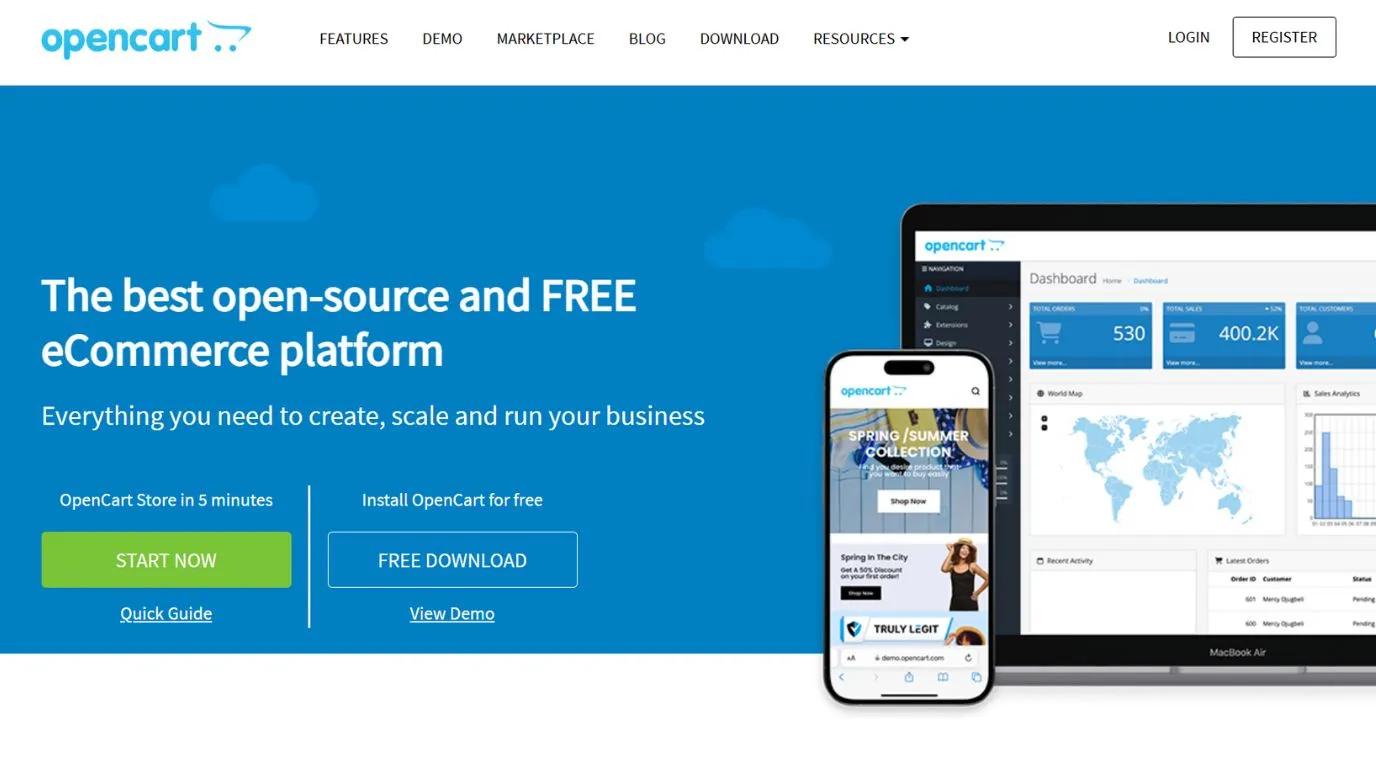
OpenCart is a lightweight, free, and open-source e-commerce platform that appeals mainly to small and medium-sized businesses looking for a simple, low-cost solution. It offers a clean interface and an easy learning curve, making it accessible even for new sellers. OpenCart is especially popular in developing markets like India because it requires minimal server resources and remains affordable for businesses starting their online journey. For many budget-focused sellers exploring Shopify alternatives, OpenCart provides a practical and straightforward option.
Key Features:
- Multi-store management
- Unlimited product categories
- Multiple payment gateway options
- Built-in affiliate system
- Product review functionality
Pros:
- Completely free software
- Easy to install
- Lightweight and fast
Cons:
- Limited built-in features
- Smaller extension marketplace
- Less modern interface
Website Link: https://www.opencart.com
Pricing:
- OpenCart software: Free
- Hosting: $5–$30/month
- Premium themes: $30–$150 (one-time)
- Extensions: $20–$100 each
- Payment gateway fees: Vary by provider
Total estimated cost: $200–$1,000/year
4. PrestaShop
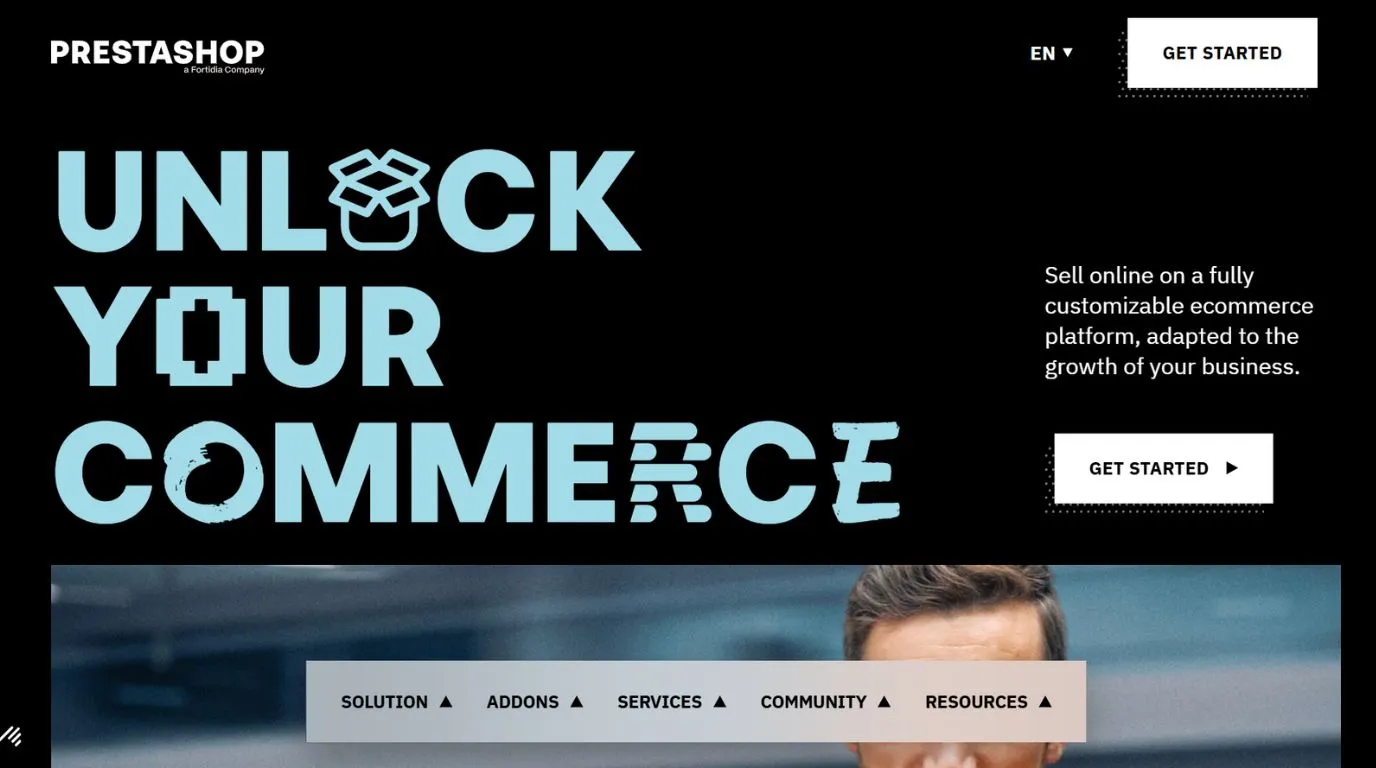
PrestaShop is a popular open-source e-commerce platform used by more than 300,000 merchants worldwide. Originating in Europe, it offers a wide range of built-in features that often require multiple add-ons on other platforms. Its strong multi-language and multi-currency capabilities make it especially suitable for businesses targeting international markets from day one. For sellers exploring Shopify alternatives with a focus on global expansion, PrestaShop provides a powerful and flexible option.
Key Features:
- Built-in marketing tools
- Advanced analytics dashboard
- Multi-language support (75+ languages)
- Multi-currency support
- One-page checkout
- Built-in blogging functionality
Pros:
- Rich feature set
- Strong European presence
- Active community support
Cons:
- Some modules can be expensive
- Updates may cause compatibility issues
- Moderate hosting requirements
Website Link: https://www.prestashop.com
Pricing:
- PrestaShop software: Free
- Hosting: $10–$50/month
- PrestaShop Ready: $24/month (hosting + support)
- Premium modules: $50–$300 each
- Premium themes: $50–$200 each
Total estimated cost: $300–$2,000/year
B) Hosted / SaaS-Based Alternatives
5. BigCommerce
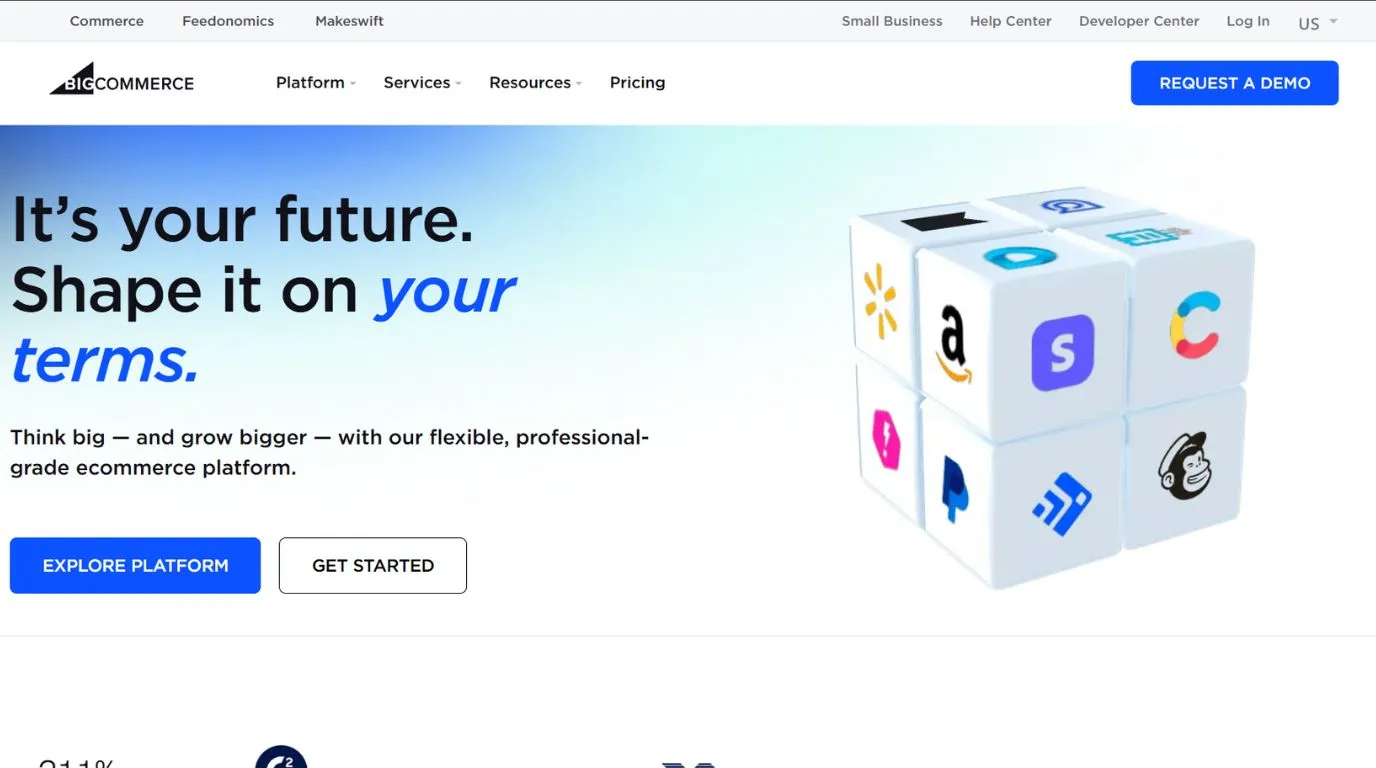
BigCommerce is a leading American SaaS-based e-commerce platform and one of the strongest Shopify alternatives for fast-growing companies. It offers enterprise-grade features without transaction fees, making it a powerful option for brands that need advanced tools right out of the box. As international online sales continue to rise , BigCommerce stands out because many essential capabilities are built in, reducing the need for multiple third-party apps. This helps lower long-term costs and makes scaling much simpler.
Key Features:
- Unlimited products, bandwidth, and storage
- Advanced SEO tools
- Multi-channel selling integrations
- No transaction fees
- Built-in product filtering
Pros:
- No transaction fees
- More built-in features compared to competitors
- Designed for scalability
Cons:
- Steeper learning curve
- Online sales thresholds may require plan upgrades
- Theme customization can be challenging
Website Link: https://www.bigcommerce.com
Pricing:
- Standard: $39/month (up to $50K annual sales)
- Plus: $105/month (up to $180K annual sales)
- Pro: $399/month (up to $400K annual sales)
- Enterprise: Custom pricing for high-volume businesses
All plans include unlimited products, staff accounts, and bandwidth.
Annual plans offer a 10% discount.
6. Wix / Wix eCommerce
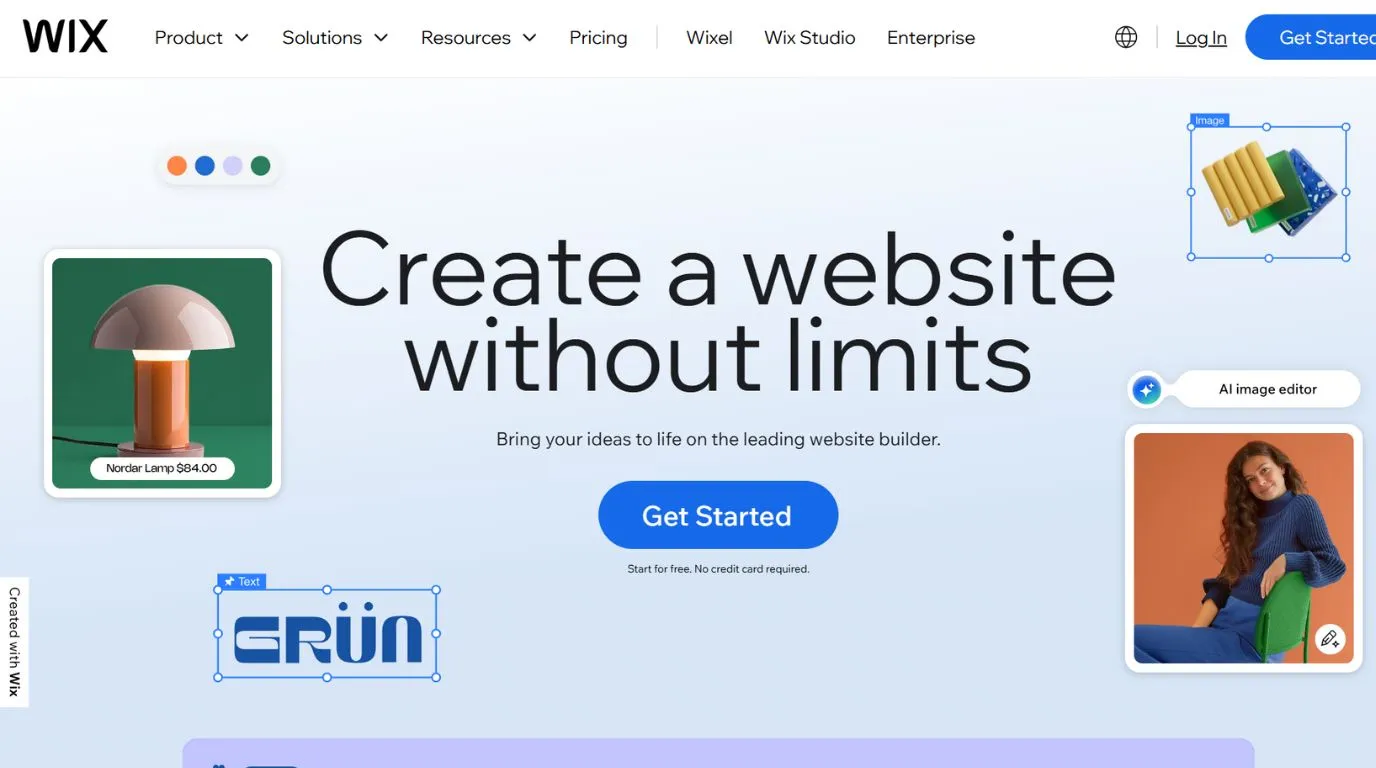
Wix started as a website builder but has grown into a strong e-commerce platform, especially for creative entrepreneurs, artists, and small businesses that prioritize design. Its drag-and-drop editor and large collection of templates make it one of the easiest platforms for building a visually appealing online store without any coding knowledge. For anyone looking for Shopify alternatives that offer stunning design flexibility along with built-in website and blog features, Wix is a solid option.
Key Features:
- Sophisticated drag-and-drop editor
- 800+ designer templates
- Built-in marketing tools
- Integrated booking system
- Access to an extensive app market
Pros:
- Extremely user-friendly
- Beautiful design options
- All-in-one website solution
Cons:
- Limited scalability
- Templates cannot be switched once chosen
- Transaction fees apply on lower plans
Website Link: https://www.wix.com
Pricing:
- Business Basic: $17/month (online payments, custom domain)
- Business Unlimited: $25/month (unlimited bandwidth, professional logo)
- Business VIP: $35/month (priority support, professional site review)
- Enterprise: Custom pricing
- Note: Lower tiers include transaction fees (2.9% + $0.30).
- Annual plans can save up to 50%.
7. Ecwid
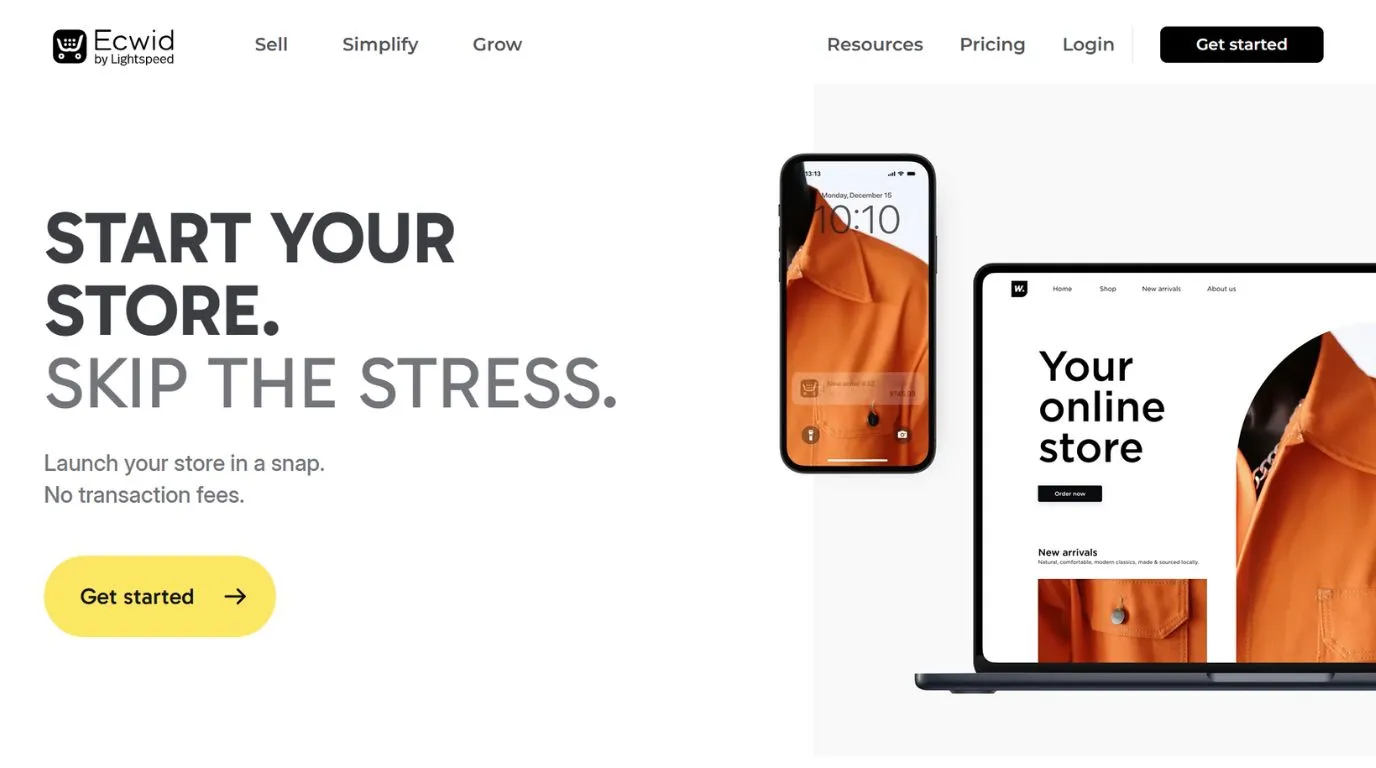
Ecwid, now part of Lightspeed, is a unique e-commerce platform designed to add an online store to any existing website, social media page, or marketplace. Everything can be managed from a single dashboard, which makes it ideal for businesses that already have a website but want to add e-commerce without rebuilding the entire site. Ecwid is also highly mobile-friendly and works well for sellers who want to manage multiple channels at the same time. For merchants comparing Shopify alternatives that integrate seamlessly into existing setups, Ecwid is a strong option.
Key Features:
- Embed a store on any website
- Sell on social media platforms
- Mobile POS integration
- Automated tax calculations
- Instagram product page integration
Pros:
- Easy multi-platform selling
- Free plan available
- Simple and quick integration
Cons:
- Limited design customization
- Advanced features can be expensive
- Fewer third-party integrations
Website Link: https://www.ecwid.com
Pricing:
- Free: Up to 5 products, 1 staff account
- Venture: $14.08/month (up to 100 products)
- Business: $29.08/month (up to 2,500 products)
- Unlimited: $82.50/month (unlimited products, priority support)
- All paid plans include multiple sales channels.
- Annual billing saves approximately 17%.
C) Drag-and-Drop / Quick Setup (Beginner-Friendly)
9. Squarespace

Squarespace is known for its award-winning design templates and polished aesthetics, making it a top choice for creative professionals, photographers, artists, and lifestyle brands. Every template is crafted with visual appeal and mobile responsiveness in mind. Squarespace works well for brands that rely heavily on storytelling and design, offering a clean blend of content, commerce, and marketing tools. For sellers seeking Shopify alternatives with standout visuals and an all-in-one website experience, Squarespace is a strong contender.
Key Features:
- Premium, beautifully designed templates
- Built-in blogging platform
- Integrated email campaigns
- Appointment scheduling tools
- Professional analytics dashboard
Pros:
- Stunning visual templates
- All-in-one platform
- Excellent customer support
Cons:
- Limited e-commerce depth
- Fewer third-party integrations
- Not ideal for large-scale growth
Website Link: https://www.squarespace.com
Pricing:
- Business: $23/month (3% transaction fee, basic e-commerce)
- Commerce Basic: $27/month (0% transaction fees, e-commerce features)
- Commerce Advanced: $49/month (advanced shipping, abandoned cart recovery)
- All plans include unlimited bandwidth and storage.
- Annual billing offers savings of up to 30%.
- A 14-day free trial is available.
10. Square Online Store
Square Online Store is a strong e-commerce solution that works seamlessly with Square’s payment processing and point-of-sale system. This makes it one of the most practical Shopify alternatives for businesses that operate both online and offline. Whether you run a retail store, restaurant, or service-based business, Square allows you to move into e-commerce without losing unified inventory or customer data. The free plan is particularly appealing for new businesses testing online sales or working with tight budgets.
Key Features:
- Seamless POS integration
- Free plan available
- Inventory synchronization
- Instagram selling integration
- Pickup and delivery options
Pros:
- Functional free tier
- Full omnichannel capabilities
- Easy and reliable payment processing
Cons:
- Limited customization
- Works best within the Square ecosystem
- Fewer advanced features
Website Link: https://squareup.com/us/en/online-store
Pricing:
- Free: Basic online store, unlimited products
- Plus: $29/month (custom domain, abandoned cart recovery)
- Premium: $79/month (advanced features, priority support)
- Payment processing: 2.9% + $0.30 per online transaction
- In-person: 2.6% + $0.10 with Square hardware
- Annual plans are available with savings.
11. Fynd Platform
Fynd Platform is an emerging Indian e-commerce solution designed specifically for local retailers and brands entering the digital marketplace. Built on Fynd’s experience in fashion retail technology, it aligns well with India’s digital commerce ecosystem , understanding local consumer behavior, payment preferences, and logistics challenges. As a homegrown option among Shopify alternatives, Fynd Platform supports major Indian payment gateways like Razorpay, Paytm, and PhonePe, along with strong COD (Cash on Delivery) capabilities.
Key Features:
- India-specific payment integrations
- Multi-lingual storefront support
- Omnichannel retail capabilities
- Built-in logistics integration
- Mobile-first design approach
Pros:
- Designed for Indian businesses
- Wide range of local payment options
- Strong regional logistics support
Cons:
- Limited global presence
- Fewer international features
- Smaller and newer ecosystem
Website Link: https://www.fynd.com/platform
Pricing: Custom Pricing
Which Platform for Which Use-Case? (Quick Matching Guide)
| Use Case | Recommended Alternative | Why Choose |
| Small Business Just Starting Out | WooCommerce or Square Online Store | Minimal investment, free/low costs, easy setup, scalable growth |
| Tech-Savvy with Customization Needs | Magento Open Source or WooCommerce | Complete control, unlimited customization, data ownership |
| Design-Focused Creative Businesses | Squarespace or Wix | Stunning templates, intuitive editors, no coding required |
| Rapid Growth & Scaling Businesses | BigCommerce | No transaction fees, advanced features, handles high traffic |
| Multi-Channel Sellers | Ecwid | One dashboard for all channels, social integration, and easy embedding |
| Indian Market-Specific Businesses | Fynd Platform or WooCommerce | Local payments, COD support, regional logistics integration |
| Brick-and-Mortar Going Online | Square Online Store | POS integration, unified inventory, omnichannel management |
| Budget-Conscious Entrepreneurs | OpenCart or PrestaShop | Free software, low ownership cost, hosting-only expenses |
| Enterprise-Level Requirements | Magento or BigCommerce Enterprise | Millions of products, high volumes, and advanced B2B features |
How to Choose — Decision Checklist Before Picking a Platform
- Budget/Pricing: Total cost of ownership, extra fees, transaction charges, and potential savings on monthly or annual plans.
- Technical Skills: Your team’s capabilities, developer requirements, learning curve, and quality of documentation.
- Business Model: Industry type, niche needs, product categories, and whether you operate B2B or B2C.
- Payment & Shipping: Supported gateways, transaction fees, international payments, and COD availability.
- Design & Customization: Theme quality, customization flexibility, mobile performance, and branding needs.
- Scalability: Ability to grow, platform capacity, multi-store support, and upgrade paths.
- Integrations: Tool compatibility, available apps, API access, and overall ecosystem fit.
- SEO & Marketing: Built-in SEO features, blogging tools, email marketing, analytics, and promotional capabilities.
- Support: Available help channels, language support, response quality, and size of the community.
- Data Portability: Ease of migration, export options, risk of vendor lock-in, and level of data ownership.
Conclusion
In 2026, choosing the right Shopify alternatives becomes much easier once you understand your business needs and priorities. Whether you prefer open-source platforms like WooCommerce and Magento for complete control, feature-rich SaaS solutions like BigCommerce, or beginner-friendly tools like Squarespace and Wix, you’ll find a platform that fits your goals.
Indian entrepreneurs also have strong options such as Fynd Platform, which is built for local market conditions, and WooCommerce, which adapts well to regional payment gateways and logistics. The real key is matching each platform’s strengths to your budget, technical comfort, growth plans, and target audience. There is no single platform that works best for everyone. The best choice is the one that aligns with your objectives, resources, and long-term vision for your online business.
FAQs
What is the most suitable free Shopify alternative?
The most suitable free Shopify alternatives are WooCommerce and OpenCart since they are open-source with no monthly fees. Square Online Store also provides a free working plan. But do not forget that “free” platforms have hosting costs and possibly premium extensions.
Is it a smooth process for the migration from Shopify to these alternatives?
The majority of platforms provide migration tools or services to move products, customers, and order data from Shopify. WooCommerce, BigCommerce, and others have particular features for importing from Shopify. Nonetheless, some customizations and apps will not be moved over automatically, and manual setup might be necessary for that.
Which is the best platform for Indian businesses?
Fynd Platform is designed for the Indian markets with local payment gateways and logistics. Nevertheless, WooCommerce is also a great choice for India because of its availability of payment plugins like Razorpay and Paytm integration, and also COD through various plugins.
Are there any transaction fees on these alternatives, like Shopify?
Transaction fees are very different from each other. BigCommerce has no transaction fees across the board. WooCommerce’s fees depend on the payment gateway used. Wix enforces fees on its lower plans. Square has no extra transaction fees, along with processing fees. Always verify the details of your specific plan.
Which platform is the easiest to use for a non-techie?
The non-techie would find Squarespace, Wix, and Square Online Store to be the easiest Shopify alternatives as they are very intuitive and have drag-and-drop interfaces that do not require any coding skills at all. Ecwid is also very user-friendly, especially when embedding into an existing website.