
In the era of the digital world, owning a Web site is only the first step to being online. The actual problem is in the attraction of those who can be your visitors and turned into your customers, readers, or followers. Regardless of whether you are operating an online business, a blog, or a portfolio site, you need to know how to enhance traffic on your web site in order to achieve success.
The increased traffic will imply more chances to engage with your audience and receive leads and promote your brand. This definitive walk through guide will take you through the 25 effective strategies to aid in increasing the visibility of your site and attaining the right type of visitors who are actually interested in what you have to offer.
Let’s learn How to Improve Website Traffic in 2026!
What Does Website Traffic Mean?
Website traffic is the number of visitors who visit your web pages. Whenever a person clicks on your web page or types your web address on the internet, it is considered traffic. This metric can be measured in the case of a number of different analytics tools and covers other types of visits, including first-time users or returning visitors.
The quality of traffic is essential as well as the quantity of traffic. It is better to lure visitors who take the time to browse through your material rather than having many visitors who exit as soon as they access your site. Knowing your traffic patterns will help you make informed choices regarding the creation of content as well as marketing or website development.
Why Website Traffic Is Important
- Growth in Brand Recognition: The more visitors come the more people learn about your brand and its products.
- Gathers More Leads: Increased traffic results in increased chances of transforming the visitors into customers.
- Increases Revenue: Greater visibility has a direct relation to improved sales and business growth.
- Enhances Search Results: Well-known websites with steady traffic are ranked high in the search results.
- Establishes Credibility: Adds credibility to your site by high traffic signals to the search engine and the users.
- Offers Actionable Intelligence: Traffic data will aid in comprehending the behaviour of the audience and what they like.
Types of Website Traffic
- Organic Traffic: This defines the number of visitors who get to your site via the free search engine listing.
- Direct Traffic: This will include visitors who enter your URL in the search box, or they can use bookmarks to visit your site.
- Referral Traffic: Traffic that accesses the site through links on other sites and platforms.
- Social Traffic: Visitors who have come via social media websites such as Facebook, Instagram, or LinkedIn.
- Paid Traffic: Visitors who click your paid ads and sponsored material.
- Email Traffic: Users who duplicate after clicking on the links in your email campaigns
25 Ways to Increase Website Traffic in 2026
1. Optimise for Search Engines
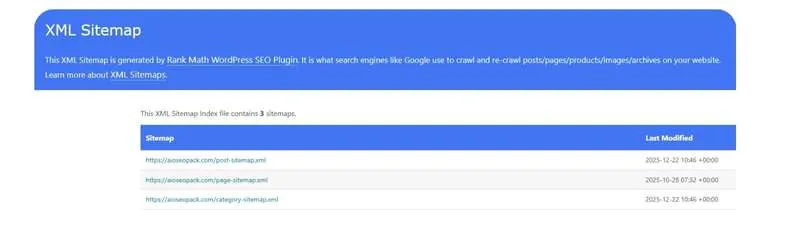
The key to learning to increase the traffic on websites in an organic manner lies in search engine optimisation. When search engines can easily crawl and understand your pages, your chances of ranking improve. SEO also ensures your site matches user intent, leading to consistent organic traffic growth.
- Emphasise on-page and off-page strategies.
- Be using appropriate heading tags and data structure.
- Develop XML sitemaps to crawl better.
- Enhance the structure of URLs to make them clear.
- Make use of schema markup of rich results.
2. Publish Quality Content
Search engines prioritise content that demonstrates expertise and value. Well-written content builds trust, keeps users engaged, and attracts backlinks that increase long-term traffic. Valuable content with high quality is an attraction and retention factor. Produce content that can address problems and questions in the minds of the audience.
- The author detailed comprehensive articles.
- Make sure that the content is original and interesting.
- Pay attention to the delivery of real value to the readers.
- Write in simple terms and format.
- Add professional knowledge and statistics.
3. Use the Right Keywords
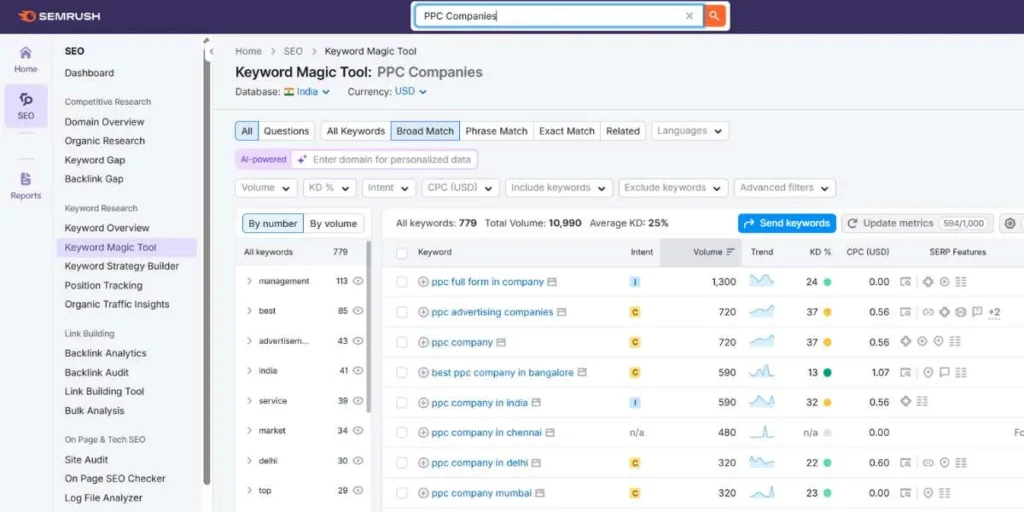
Position of keywords is strategic so that the search engines get to know what you are about. Surveys the terms that your target audience searches for online. This results in higher rankings, better traffic quality, and improved conversion potential.
- Carry out good keyword research.
- Profiles with high search volume.
- Competition vs. balance opportunity.
- Know how to use keywords within the content.
- Target search intent that is a match.
4. Write Regular Blog Posts
Regular blogging will keep your website current and will provide incentives to people to visit again. Frequent updates are also an indication of activity to search engines. Blogging also allows you to target multiple keywords and attract visitors at different stages of the buyer journey.
- Create a content calendar.
- Post at least weekly.
- Write on a variety of issues in your niche.
- Have a regular quality standard.
- Engage with reader comments
5. Update Old Content
The refresh of the current content enhances ranking and relevance. Adding new data, visuals, and internal links signals to search engines that the content is still valuable. Old information may ruin your credibility and search results in a big way.
- Check performance on content at a given time.
- Insert new information and statistics.
- Enhance readability and format.
- Fix broken links and pictures.
- Republish with new dates
6. Enhance titles on the pages and meta descriptions
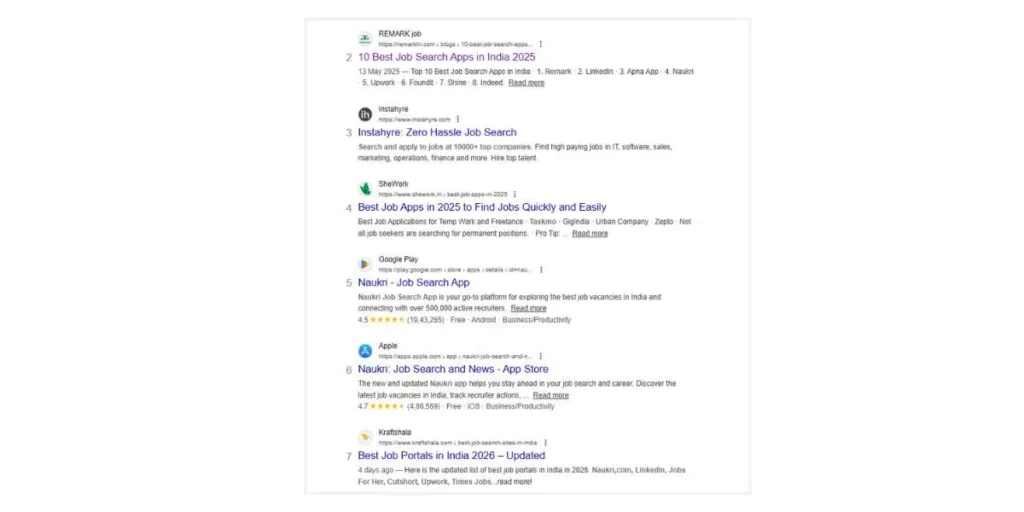
Powerful headlines and text raise the number of visits to search results. These aspects are what the potential visitors see first.
- Write individual titles on each page.
- Have primary keywords organically.
- Limit the length of titles to 60 characters.
- Prepare interesting meta descriptions.
- Incorporate conspicuous calls-to-action.
7. Improve Website Speed
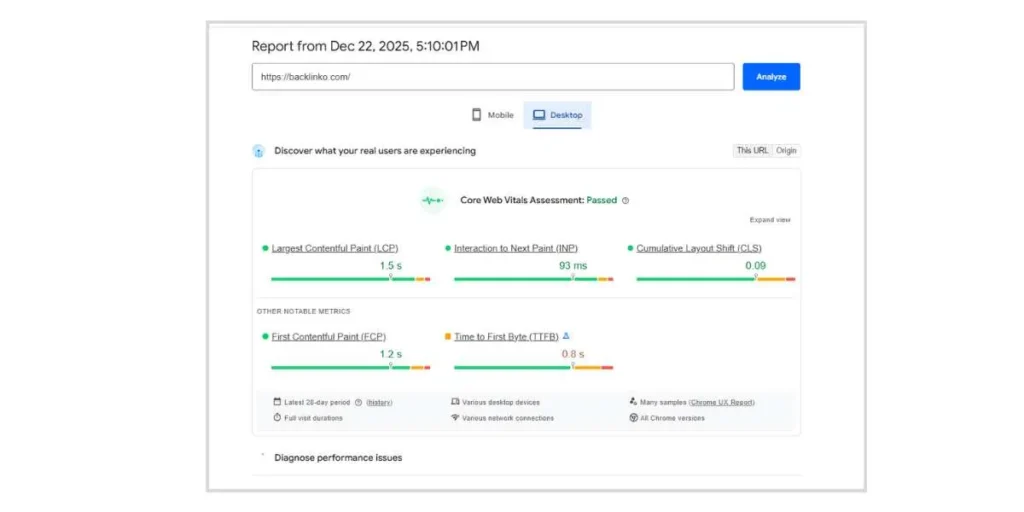
Quickly loaded pages are more user-friendly, and they are ranked higher. The slow sites are annoying and raise the bounce rate exponentially. When search engines can easily crawl and understand your pages, your chances of ranking improve. SEO also ensures your site matches user intent, leading to consistent organic traffic growth.
- Compress images and files.
- Profiling: Browser caching.
- Minimise HTTP requests
- Allow Web 3.0 lazy loading of images.
- Select superior hosting solutions.
8. Mobile-Make Your Website Mobile-Friendly
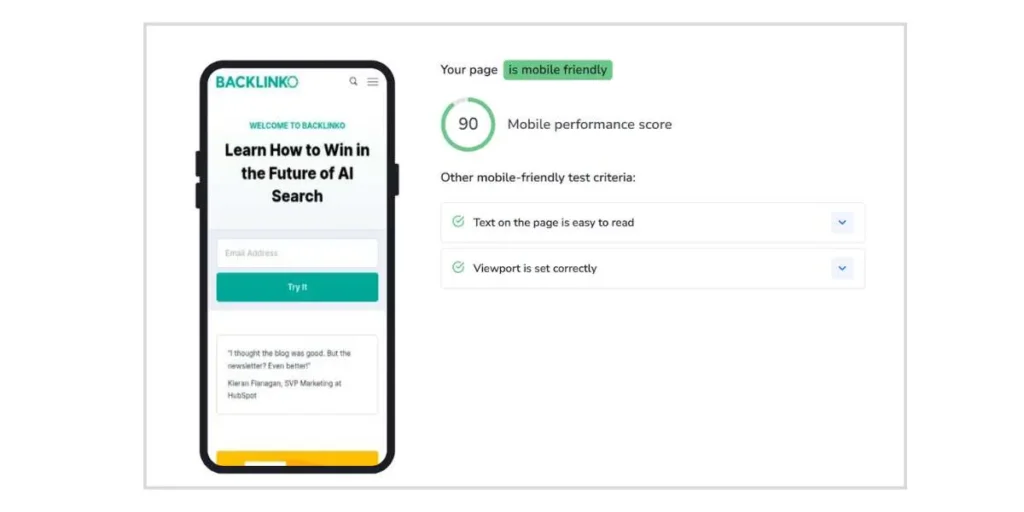
Most of the web traffic consists of mobile devices. It will be a responsive design, which will make it accessible to all sizes and devices.
- About responsive design structures.
- Test on various devices on a regular basis.
- Optimize mobile touch components.
- Ensure readable font sizes
- Make small screens easier to navigate.
9. Improve Internal Linking
The strategic internal links guide the visitors to your site and any page authority is distributed. This enhances easy navigation and search engine crawling.
- Connection of related material.
- Use descriptive anchor text
- Develop content hub designs.
- Fix broken internal links
- Do not be too linked on pages.
10. Establish Backlinks of High Quality
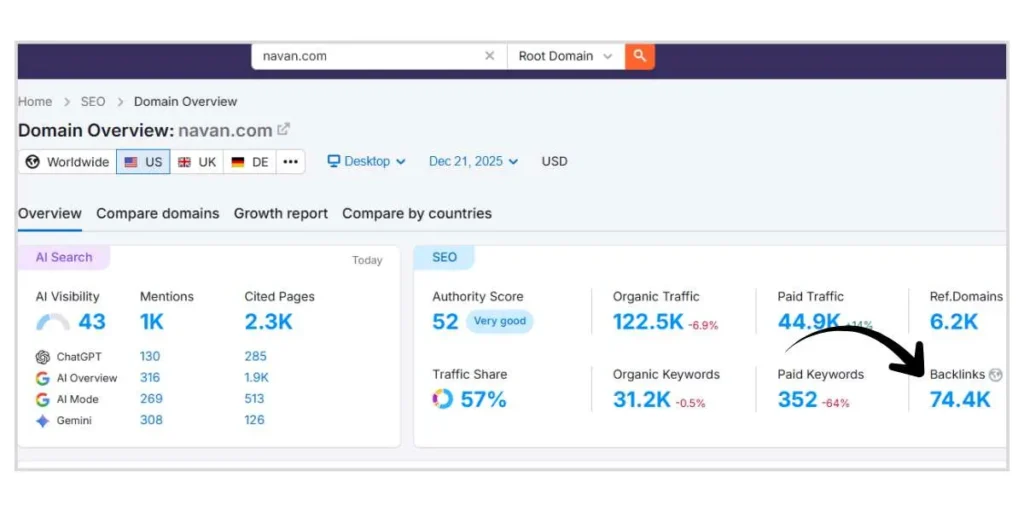
Outbound links through the authority sites enhance your rankings. These are some of the strongest ranking factors that exist.
- Develop linkable original content.
- Write on authoritative blogs.
- Form contacts with industry power players.
- Track back links of competitors.
- Spammy link building should be avoided.
11. Share Information on Social Media
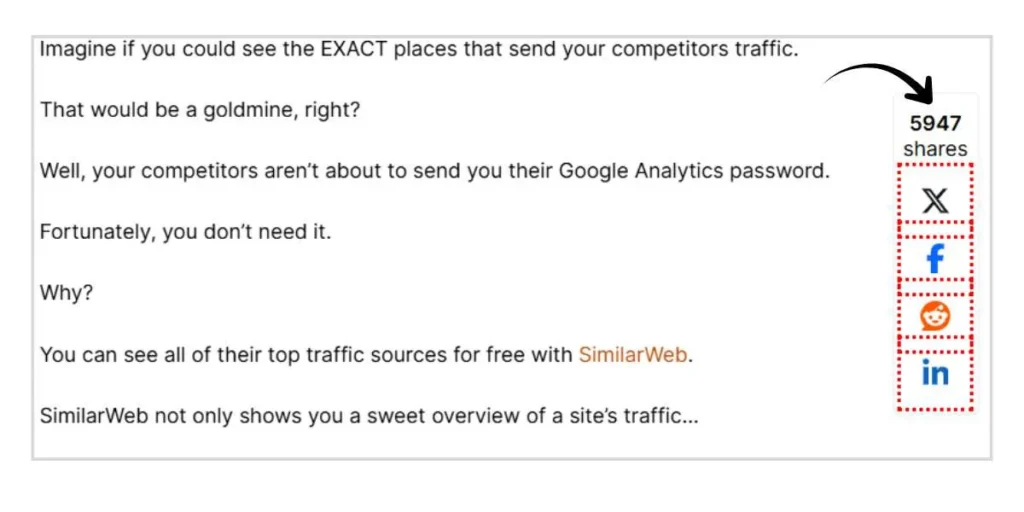
Social platforms make your content more accessible than the search engines. Engaging social activity generates traffic and establishes community involvement.
- Always post on the pertinent platforms.
- Connect with your listeners/visitors.
- Apply best practices of the platforms.
- Include visually beautiful images.
- Post at the most opportune times.
12. Use Google Search Console
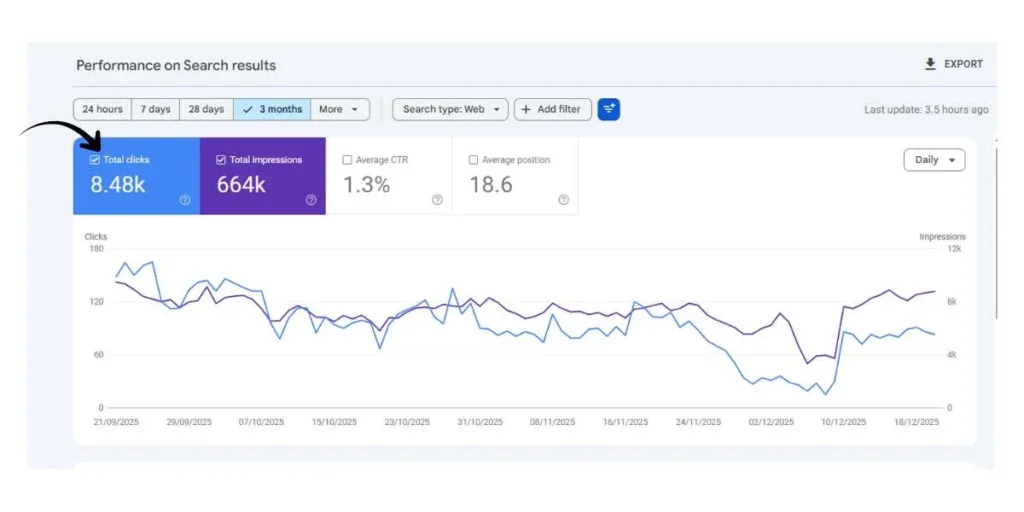
This is a free tool that gives information on performance and problems of search. To know how to increase traffic on the site, one should follow-up on these measures.
- Track search query and impressions.
- Determine the problem of indexing very fast.
- Submission of crawling sitemaps.
- Report check mobile usability.
- Track core web vitals
13. Optimize for Google Search
Google controls the search engine traffic on a global scale. When you customize your approach towards the algorithms of Google, more results become visible to the majority of people who are interested in information.
- Adhere to quality instructions in Google.
- Optimise on E-E-A-T precepts.
- Make useful people-centred content.
- Avoid black-hat SEO tactics
- Keeping up with algorithm changes.
14. Target Featured Snippets
Snippets that are featured are presented very high in search results. Obtaining these position-zero spots boosts the level of visibility and the number of clicks in a significant manner.
- Be able to answer questions in a concise manner.
- Proper heading structures should be used.
- Include lists and tables
- Be direct, give actual answers.
- Snippet format content Structure content Structure content Snippet format content
15. Improve User Experience (UX)
Good user experience makes them spend more time. A good UX will decrease the bounce rate and also will make people visit your site again.
- Make sure that there are easy-to-use navigation structures.
- Use clear calls-to-action
- Always do the same branding.
- Minimize intrusive pop-ups
- Make content scannable
16. Use Images & Videos
Images are more engaging and time-consuming. Multimedia devices make the contents attractive and simple to comprehend among the readers.
- Included high quality, relevant images.
- Also make original graphics where necessary.
- Include video material on complicated subjects.
- Presentation of data with the infographics.
- Make sure it is accessible and has alt text.
17. Optimize Images for SEO
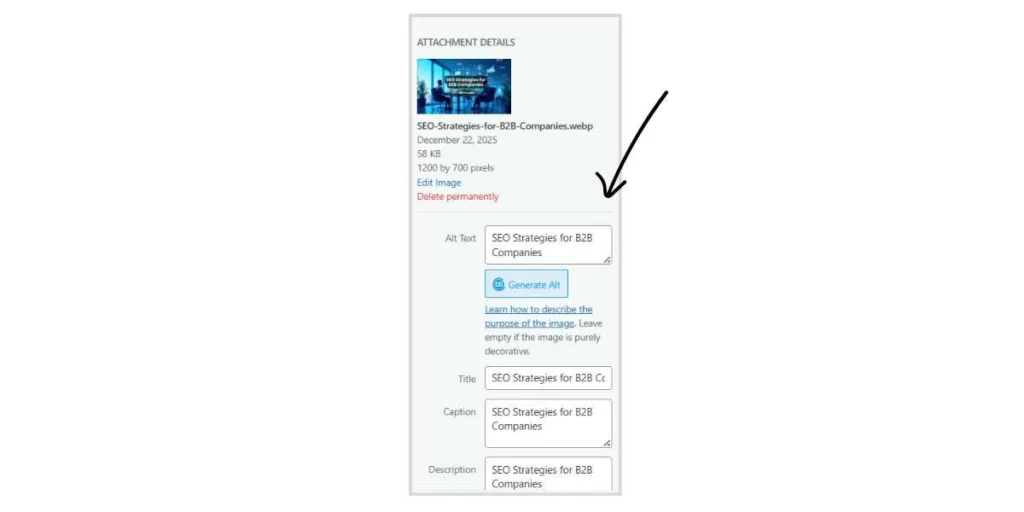
Images are also optimized in the right way, which enhances the load times and visibility on searches. Searching for images can also boost up a lot of additional traffic in your site pages.
- Shrink images without any losses.
- Use descriptive file names
- Provide text alternatives to gain access.
- Select the right image types.
- Use lazy loading mechanisms.
18. Promote Content via Email
Email marketing creates direct traffic through interested subscribers. Development of an email list will be a good source of traffic that will be under your control.
- Build an engaged email list
- Issue frequent valuable newsletters.
- Personalize email content
- Make sure that there are call-to-action links.
- Test subject lines for opens
19. Answer Questions Online
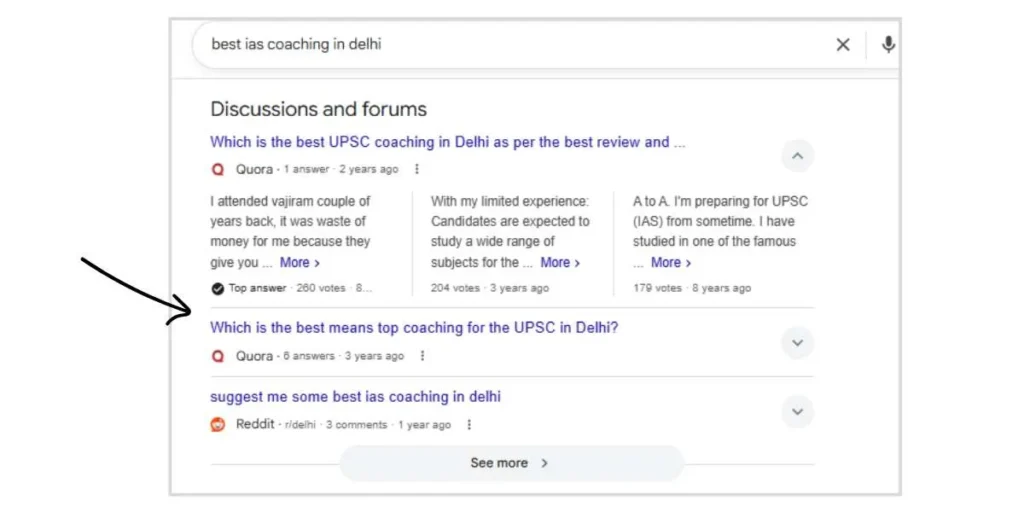
Being involved in the Q&A platforms makes one an expert and promotes referral traffic. Valuable content in the form of useful answers and links to your site bring curious visitors.
- Create an account on forums such as Quora and Reddit.
- Deliver really useful responses.
- Added links should be relevant.
- Gain power within your niche.
- Be careful not to be over-promotional.
20. Get Involved in Online Communities.
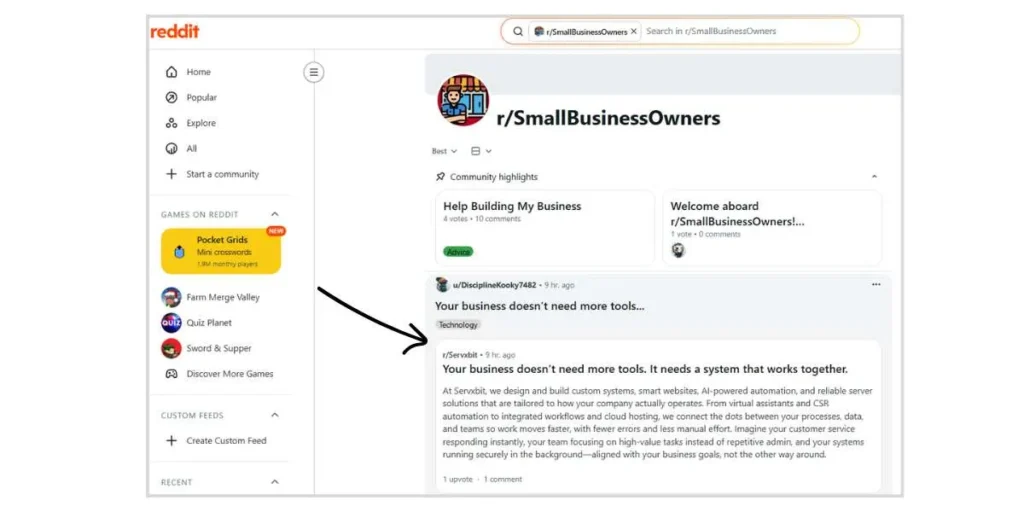
Relationships and visibility are created by active community participation. Joining forums and groups will make you reach your target market in a direct way.
- Participate in niche-based forums.
- Be a value giver and not a spamer.
- Establish authentic relationships.
- Share expertise generously
- Strict adherence to community guidelines.
21. Use Long-Tail Keywords
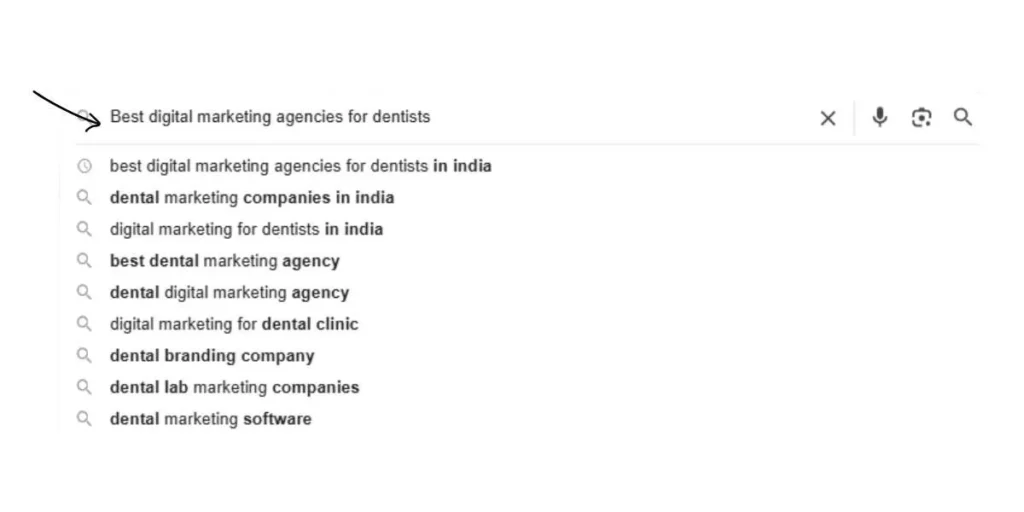
Longer and specific keyword phrases are less competitive and have a higher rate of conversion. Learning how to make a site gain traffic is about making sure that the valuable terms are targeted.
- Target 3-5 word phrases
- Target certain user purposes.
- Develop content on niche search.
- Review volume of searches vs competition.
- Solve certain pain points.
22. Optimize Landing Pages
The landing pages are specific to generate leads or customers. Optimized pages enhance traffic quality and the rate of conversion at the same time.
- Develop sharp and concise communication.
- Use strong headlines
- Include persuasive copy
- Add social proof elements
- Test the variations of the pages.
23. Fix Technical SEO Issues
Search engines have technical issues that cannot ensure that your site is indexed appropriately. These are the issues that will be important to anyone who is learning how to enhance the traffic of their websites.
- Fix broken links regularly
- Solve the problem of duplication of content.
- Implement proper redirects
- Ensure HTTPS security
- Fix crawl errors promptly
24. Entrax Track Traffic Analytics.
Data mining tools show what is doing well and what requires enhancement. Decisions based on data become more efficient in the long-term growth strategies.
- Properly set up Google Analytics.
- Monitor key traffic metrics
- Determine the best performing content.
- Track conversion paths
- Examine user behavioral patterns.
25. Stay Consistent with SEO Enhancements.
SEO is a long-lasting approach, which needs patience and perseverance. The results of your growth of your website traffic will compound with time.
- Keep on schedule in terms of publishing.
- Build on link-building should be done.
- Continue to optimize the existing content.
- Learn about the trends in the industry.
- Evaluate and modify strategies on a regular basis.
The 3 C’s of SEO Explained
Successful search optimization is based on 3 Cs of SEO, namely Content, Code and Credibility. The content is high-quality and relevant information that meets the intent of users. Code has the technical information such as site structure, speed, and mobile-friendliness that can allow the crawling and indexing of your pages in search engines.
Credibility refers to the process of gaining authority based on good back links, positive user indicators, and gaining expertise in your area. The control of the three factors will provide an effective SEO base that will result in a continuous growth of traffic and search ranking over the long run.
The 7 C’s of a Website
The 7 C’s are necessary components of the site it includes and they are Context (purpose and layout), Content (text and multimedia), Community (user interaction features), Customization (personalization options), Communication (dialogue mechanisms), Connection (links to other sites), and Commerce (transaction capabilities).
All these factors collaborate in the development of efficient, easy to use websites that attract the visitor and realize business goals. Knowing and applying all the seven C’s can guarantee that your site not only is up to date with modern user demands but also in tandem with your own traffic generation and conversion strategies to guarantee a holistic online presence at the service of both customer and your business enterprise.
Common Mistakes That Reduce Website Traffic
- Disregarding Mobile Optimization: Non-responsive designs are a scare-off to mobile users who form the bulk of the traffic.
- Failure to give attention to Content Quality: Thin content written poorly does not attract visitors or do well in search engines.
- Ignoring the Page Speed: Delays in loading web pages cause frustration and a major setback to the ranking position.
- Keyword Stuffing: Keyword Stuffing An overly large use of keywords renders content impossible to read and provokes search penalties.
- Ignoring Data of Analytics: No monitoring of performance- No room to correct.
- Unpredictable Publishing: Haphazard updating of the content is the indicator of laziness to users and search engines.
Conclusion
The learning process on how to increase traffic on websites is a continuous process which needs strategy, patience and constant effort. With these 25 tips implemented, you will have numerous traffic channels that will generate qualified visitors to your site. It is important to keep in mind that sustainable growth is achieved through delivering true values to your audience and in accordance with SEO best practices.
Concentrate on the production of good content, technical optimization, establishment of authority, and interaction with your community. Monitor your progress with the help of analytics, modify strategies according to facts, and remain loyal to long-term change. However, it is hard work and the right attitude that will lead you to a steady increase in your web site traffic, and that will give you more chances of reaching your online objectives.
FAQs
What is the time span of increasing the site traffic?
With regular SEO, substantial traffic development is the rule in 3-6 months. The growth is organic and it can be sustained over a long period.
How can we get the most traffic to the site?
The paid advertising will provide short-term outcomes, whereas social media promotion and email marketing may encourage rapid increase of the traffic among the current audiences.
What is the amount of traffic that a new site requires?
No set number, it is about quality rather than quantity. A hundred eager visitors per month would be worth something should they become customers or subscribers.
Do paid advertisements boost traffic?
No, it can be achieved by organic tactics such as SEO, content marketing and social media that can work toward a large flow of traffic without expenses on advertisements, but advertisements hastens the process.
How frequently am I to post new content?
At least once a week posts should be the aim. What counts is quality rather than the frequency, quality content is consistent and is worthwhile, quantity is poor quality content.