Managing a business with several locations creates unique challenges that companies operating from a single location do not face. With branches competing in their respective local markets, each location must be optimised separately to rank well in local search results. This is where Local SEO for Multiple Locations becomes essential, as it helps businesses build location-specific visibility and attract nearby customers. Companies that fail to implement a systematic Local SEO Ranking Factors across all their locations risk losing search visibility to competitors that effectively leverage targeted, location-based optimisation strategies.
This is a detailed guide that includes the creation of landing pages and administration of Google Business Profiles on a large scale. Regardless of whether you are managing ten or a thousand retail outlets, when it comes to local search, these are proven strategies to implement at the local level to ensure every location has more customers, positive reviews, and dominates the local search market in any market you operate.
What Is Multi-Location SEO?
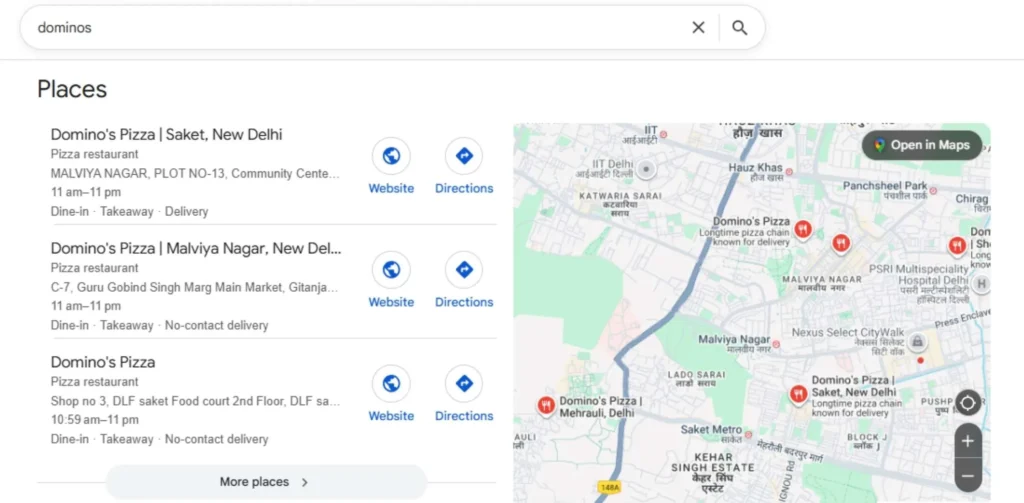
Multi-location local SEO is the process of ensuring that each business location has an online presence that would be ranked higher in a geographically-targeted search result. This is a niche strategy that allows a firm that has several branches to be visible when clients are seeking services within particular cities or regions.
In comparison to the traditional approach to SEO that relies on the national visibility, local SEO for multi-location businesses involves the maintenance of multiple Google Business Profiles, the production of local-specific content, and the ability to keep the business information on hundreds of online directories with each individual location.
Why Businesses with More Than One Location Need Local SEO
- Capture High-Intent Local Searchers – 96% of consumers browse online to locate business that is in the area, which is a lead that has been qualified to buy.
- Perform Well in every Market – There are various competitors in each location, which need different approaches in order to be visible in the search results in the local market.
- Develop Place-based Trust – The business information and the good comments at every branch create the trust with the customers in that society.
- Optimize Revenue in Support of All Branches – Multi-location businesses that have been properly localized through SEO would not have any location performing poorly because of a lack of online presence.
- Avoid Customer Confusion – Unity of information throughout all the platforms is to make customers locate the right venue with the right hours and contacts.
How Google Shows Results for Different Locations
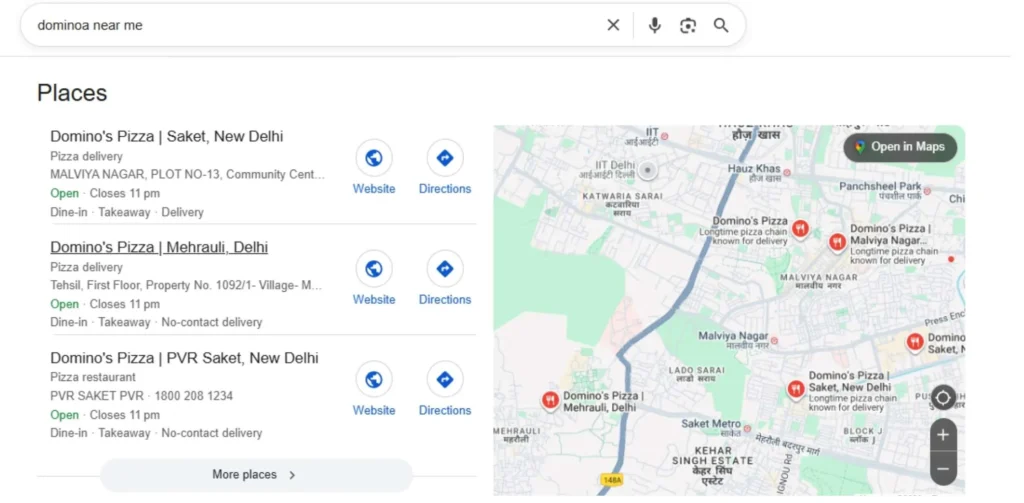
The local search algorithm of Google provides the location-specific search results with references to the 3 main parameters: relevance, distance, and prominence. When an individual types in coffee shop near me or dentist in Austin, Google will examine the physical location of the searcher or the area he or she has typed to give the best suited businesses.
The algorithm analyses the level of compatibility of your Google Business Profile with the search query, the distance to the searcher, and other attributes such as review ratings, citation consistency, and site authority. Findings are presented in the Local Pack which shows the top three businesses with map pins then organic local listings.
In cases where the companies are using Local SEO For Multiple Locations to target more than one location the branches will be considered individually meaning that one branch may perform very well and the other may perform poorly, unless it is well optimized.
Website Setup for Multiple Locations
- Use Subfolder URL Structure – It is better to use the clean URLs such as example.com/locations/chicago which will inherit more domain authority and should be easily managed.
- Provide Location-Based Internal Linking – Link location pages by providing navigation menu and other contextual links to facilitate the search engine in finding the content.
- Develop a Central Locations Directory – Develop a centralized page that contains all the branches with a filtering feature based on the city, state or region.
- Make it Mobile Responsive – Design location pages as fast as possible and make them show up well in all devices to give users the best experience.
- Add Structured Data Markup – Add Local Business schema to all location pages to enable the search engine to co-juxtapose the important business data.
Location Pages for SEO
What is a location page?
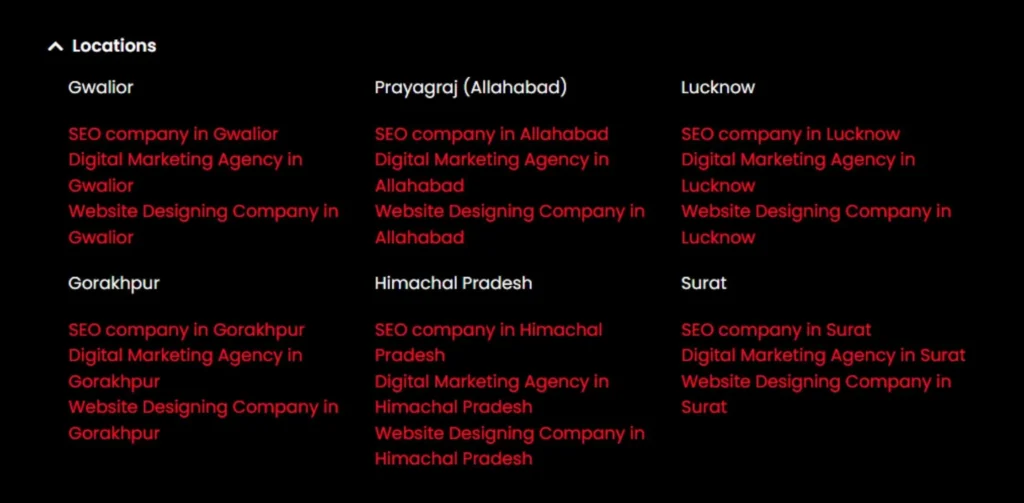
A location page is a dedicated web-page on your web-site that is an individual branch, store or office. This page is the online house of that specific location and the customers will be able to have all the necessary details they need to visit or call that specific branch. Each of the location pages will need a distinct URL and be optimized with direct customer-focused content based on that geographical territory.
These pages serve as the pillars of your multi-location SEO strategy and provide Google with a strong indication of the location that your enterprise is operating in and allow each branch to be ranked in its local market.
What information to add on each location page
Each of the location pages must contain business essentials: the full name of the business, the entire address, the local telephone number, and the hours of operation of that particular branch. Include a built-in Google map and directions to the location, including parking spots and local area landmarks so as to ensure easy locating of your place by the customers. Add good images of the storefront, the interior, employees and products or services that are available at the particular location.
Examples of some of the services or products available, special features such as wheelchair accessibility or the presence of WiFi, and reviews of the place by local customers. Include a big call-to-action button to make a reservation, request a quote or call. Lastly add location-specific content, which would mention the neighborhood or local attractions, or involvement in the community to prove local relevance.
Why copy-paste content does not work
Replicating the same information on many location pages is disastrous to your Local SEO For Multiple Locations strategy of franchise and multi-location companies. Google clearly indicates that there is ranking penalty or full exclusion of the duplicate content in the search results.
With all page locations having the same text and that the only difference is the address, search engine is unable to decide which page should rank when there is a search done locally and no result is displayed at all.
The studies indicate that a 107 per cent increase in rankings is achieved by unique and hyperlocal content on each location page, as opposed to duplicated content.
Customers are also more responsive to real location-based information that they can identify with the community and which shows that they are connected to the community
Google Business Profile for Multiple Locations
What it is
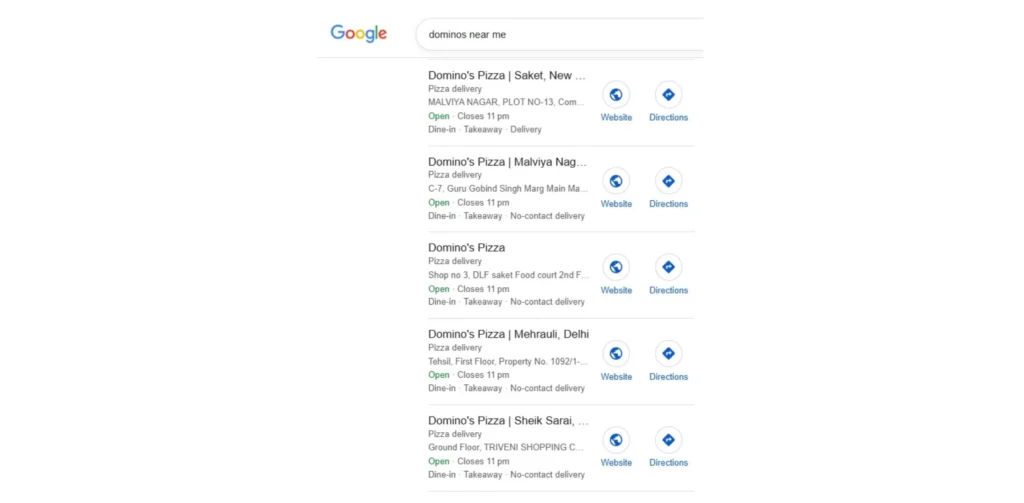
Google Business Profile (GBP, formerly Google My Business) is a free service that manages the presence of your business in Google Search, Google Maps, and Google Shopping. You can use this platform to maintain the key business details such as address, phone number, hours, web space, services provided, and customer feedback.
In businesses that are targeting Local SEO For Multiple Locations in multi-location businesses, GBP is the most important ranking element, and this is the one that directly dictates whether or not your locations are featured on the Local Pack and how they are highlighted on Google Maps.
Do you need a profile for each location?
Yes, you need your own Google Business Profile in each location where customers are able to go to your business physically. Every branch, franchise or office requires a separate listing that contains its own address, phone number, and details related to its location. Google does not allow the usage of more than one physical address as a profile and virtual offices that are not maintained in real life.
Organizations with 10 or more locations may take advantage of bulk verification at Google to simplify the process of getting set up, but every profile still needs to reflect an actual, staffed location at which people can access your business.
How profiles help you rank locally
Google Business Profiles are optimized to feature massively on the local search results in various ways. One, they will be able to give Google verifiable and authoritative data regarding your business location, hours, and services affecting the ranking of Local Pack directly. The profiles also create great engagement indicators including customer reviews, questions and answers as well as photo views which prove the existence of a business.
Constant communication in Google Posts and new photos will give Google the hint that your location is active and relevant. Also, filling in all areas of your profile, and choosing correct category types and keeping NAP (Name, Address, Phone) the same as your site helps enhance trust signals that increase local listings.
Local SEO Strategy for Multiple Locations | Basic Steps to Follow
Step 1: Build Unique Location Landing Pages
Create specific pages on each branch with local-based content, local keywords, and all business details. A modular template is used to allow brand consistency and localize information such as local photographs, team introductions, service offerings, and community participation depending on the market.
Step 2: Claim and Optimize every Google Business Profile
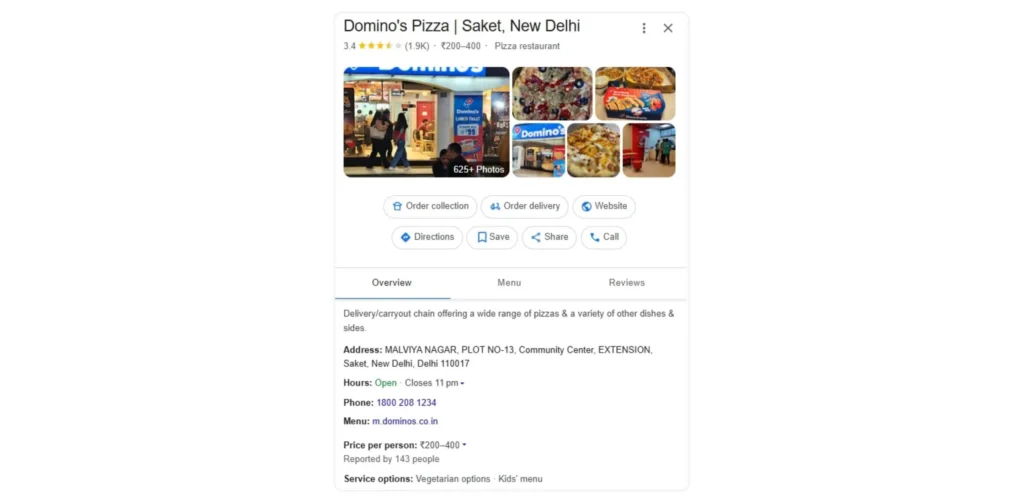
Possess all locations with Google platform and have all the information in all fields. To have active profiles, add quality photos, choose the specific categories of the business, create frequent Google Posts, and respond to all customer reviews in a timely manner.
Step 3: Develop Local Citation on a regular basis
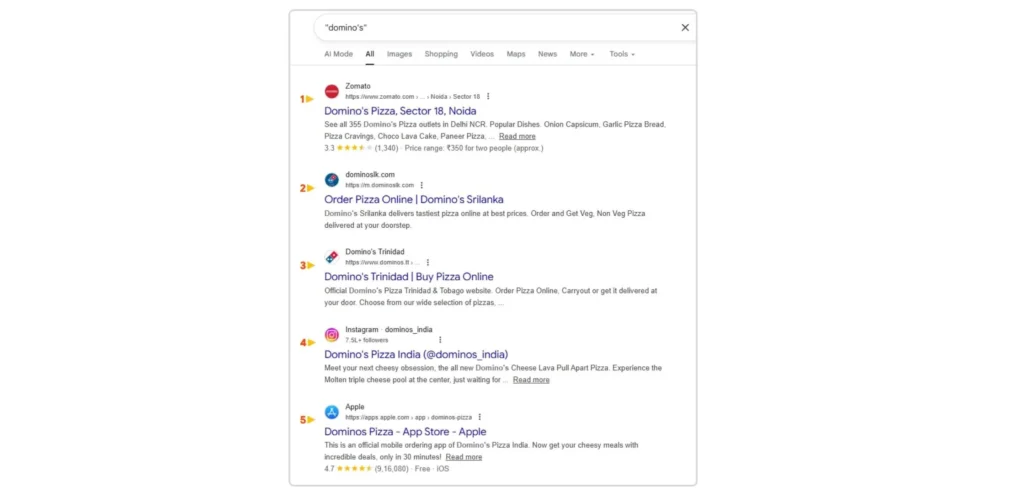
Register all the sites in the respective online directories such as Yelp, Bing Places, Apple Maps, and industry specific applications. Make sure that the information on NAP is identical in all citations and your site so as to create trust signals with the search engines.
Step 4: Keyword Strategy Location Specific
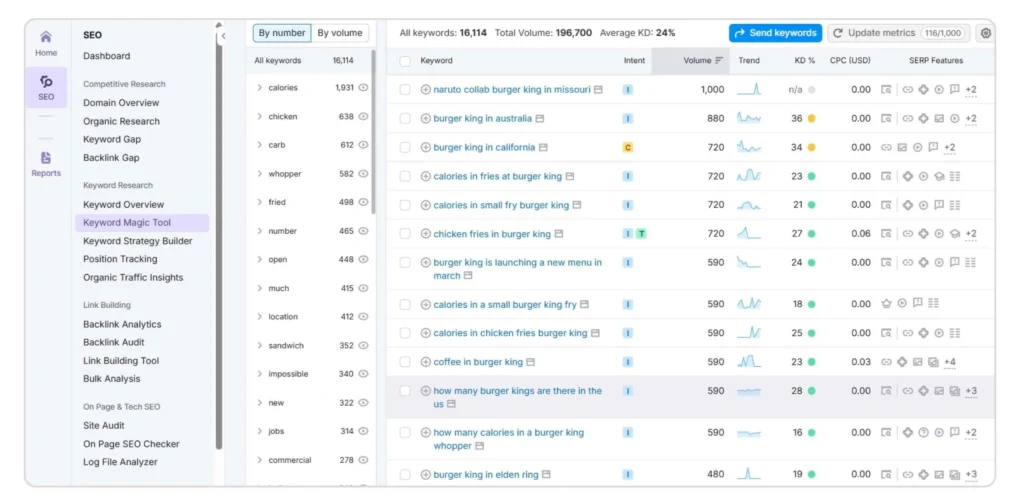
Research was geo-targeted via keywords to each market by merging your services with names of cities or neighborhoods (e.g., plumber in Denver or dental clinic Brooklyn). Integrate these keywords into page names, page titles, page headers, page descriptions and body in a non-over optimized manner.
Step 5: Obtaining Local Backlinks to Every Location
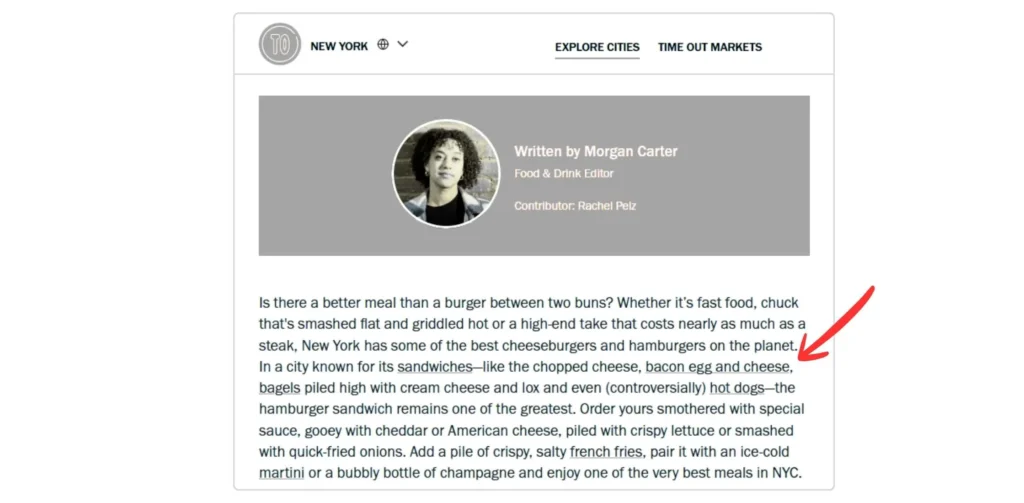
The next step is to promote local collaboration, sponsor local events, and cooperate with the nearby businesses to receive location-specific backlinks. Research on securing links with local news, chambers of commerce and community groups serving every particular market.
Step 6: Scale Review Generation/ Reviews Management
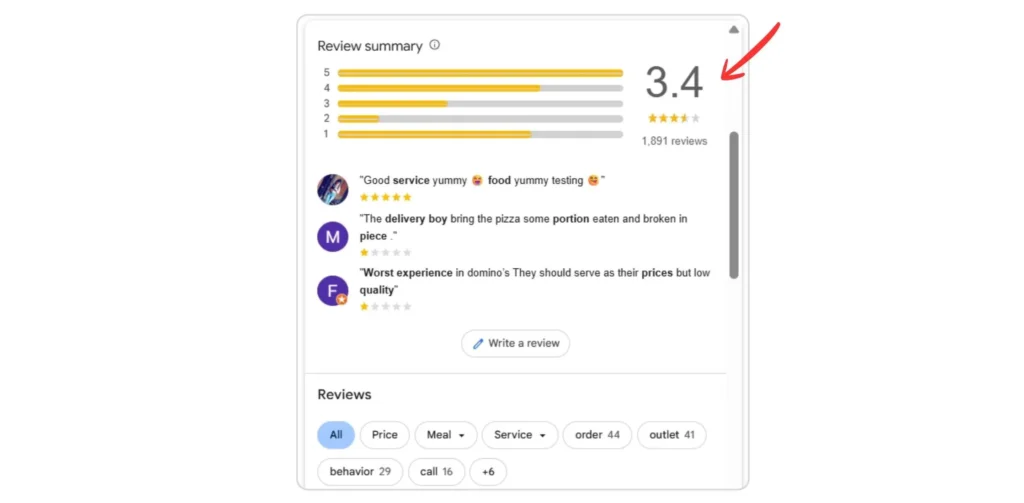
Adopt mechanisms of solicitation of post transaction reviews via automated email or SMS messages. Reviews on the monitors across all locations through a centralized dashboard and provide fast response with customized messages approved by the brands.
Step 7: Performance by Location Tracking
Apply UTM parameters to all links in Google Business Profile and use a different phone number to track each branch. Track the important indicators such as local search ranking, Internet traffic, telephone calls, and conversions per location to determine which branch is performing the best and which one is not.
Reviews and Ratings for Each Location
The customer reviews are one of the most powerful ranking factors in the Local SEO For Multiple Locations of multiple locations, and 90% of the marketers agree that they have a direct effect on the Local Pack visibility. Companies should create an orderly system of generating reviews of each branch instead of relying on customers to comment on their own.
Automate follow ups on reviews by sending a follow up email or text messaging the customer 24-48 hours after purchase using your CRM or point-of-sale system. It has been found that companies that are rated 4 stars or higher have much better opportunities of featuring in the desirable three-pack of local results.
The research indicates that 89 percent of consumers will choose those businesses that address all the reviews.In the case of multi-location operations, review monitoring should be centralized by using tools such as BrightLocal or Semrush Local which consolidate all the location feedbacks in one platform.
Install the negative review notifications to enable managers to act immediately to address the concern and eventually turn unsatisfied customers into champions.
Local Listings and Business Information
The basis of credible local SEO for multiple locations in multi-location companies is the consistency of the name, address, and phone number (NAP) across all online platforms. To have a single source of truth, have a central spreadsheet with the official name, full address format, phone number, hours, website URL, and Google Business Profile link of each of your locations.
Post your addresses to large citation websites such as Yelp, Bing Places, Apple Maps, Facebook, and the specific directory associated with your type of business. In the case of restaurants, the idea is to look at such platforms as OpenTable or TripAdvisor; in the case of law firms, we must address Avvo and FindLaw, and with medical practices, we should look at Healthgrades and Zocdoc.
Periodically, 3-month NAP audits in order to detect and rectify discrepancies before they grow and ruin your Local SEO For Multiple Locations performance.
Local Content for Each Location
Producing local content that is unique and hyper-local and specific to each location page is one of the most difficult and most rewarding elements of local SEO strategy for franchises in franchise and multi-location companies. It has been shown that location pages with truly localized content that is unique in a genuine sense record 107 higher results than location pages that use boilerplate text.
Every page should have unique aspects to display the peculiar community the page deals with and have general brand unity. Use local factors, which show genuine affiliation to every neighborhood. Name local attractions, or local events going on in the area. Include local practical information such as the available means of transport, parking spots, businesses in the area, or accessibility of that particular place.
Whether you’re managing retail stores, service centers, or manufacturing units in Coimbatore, creating genuinely local content for each location strengthens your connection with the community.
Common Mistakes to Avoid
- Virtual Office or Fake Addresses – It is considered against the rules of Google to create Google Business Profiles of addresses that you do not have the actual staffed locations and this will lead to a suspension of listing or a complete removal.
- Irregular NAP Data – The problem with having various versions of your business name, address, or phone number in multiple places makes Google and customers confused and undermines your ranking, and this lost business.
- Duplication of the same content on all Location Pages – The copy-pasting of the same content in each of the location pages with only the change in the address will trigger the duplicate content filters which may result in blank pages not being ranked at all.
- Missing Smaller Local Directories – By focusing on big platforms such as Yelp and not taking into consideration regional directories, chamber of commerce, and locating resources that are city specific, one will be leaving potential citation opportunities on the table.
- Ignoring Negative Reviews – Not responding to negative feedback and information will make your business seem unresponsive and unconcerned, which is harmful not only in terms of reputation but also in terms of local rankings.
- Setting Up One-time and Forgetting – Tying up Local SEO For Multiple Locations to a one-time project and not viewing it as a maintenance project results in the emergence of outdated information, a falling in the ranking, and lost opportunities.
- Failing to Track Location-Specific Performance – In analytics, the situation is that all the locations are aggregated, so it is impossible to distinguish between the success and the ones that require improvements.
Tools to Manage Multiple Locations
- Semrush Local – One location, one dashboard to manage Google Business Profiles, citations and reviews across all locations.
- BrightLocal – Does all the citation tracking, review management, and local search rank monitoring multi-location businesses need.
- Moz Local – Automated distribution of citation and monitoring of consistency across the main directories and detecting of duplicate listing and cleaning them.
- CallRail – Call tracking that assigns each branch a phone number to determine what marketing activities bring phone calls.
- Yext – Knowledge management solution which synchronizes business information with hundreds of directories, maps, and voice assistants.
Conclusion
Effective Local SEO For Multiple Locations of many locations is a system of implementation and constant repeat of the process as well as continuous optimization of each branch. The success depends on creating frameworks that are repeatable so that there is brand consistency and yet the local relevance that is genuine within every market. Since developing special location landing pages and controlling the reviews on a large scale, all factors should operate in sync with each other. Companies that plan their multi-location local SEO strategy, monitor performance metrics by location and constantly optimize their strategies on the basis of data will take up the first places in the local search results of all markets where they operate.
FAQs
What is the time duration of local SEO to see the results in number of locations?
Multi-location SEO usually takes six months to record some improvements in ranking and traffic. The initial implementation is slower than optimization in a single location, although the long-term outcomes are compounded to ensure faster implementation through systematic implementation in all the branches.
Is it possible to use the same content on my all my location pages?
No, the duplication of the content on the location pages may be punished by Google and the pages will not rank correctly. Every location will require high quality, hyper localized content, which takes into account that location, but you can use modular templates with customized sections to save time.
Should I have Google Business Profiles in different sites within the same city?
True, it will need a separate Google Business Profile with an address in every physical place customers can access. There are several places in the same city that require their unique profiles to be ranked in the local searches of various neighborhoods in that city.
What is the most significant ranking parameter of a Local SEO For Multiple Locations?
The most important is the optimization of the Google Business Profile and the consistency of NAP. Proper, updated profiles, good photographs, and control over reviews play a significant role in Local Pack ranking of individual locations, as compared to other variables.